Sustainability Codes of Conduct for Specific Activities
Responsible travel across Latin America
These codes complement our general sustainable-travel tips. Apply them according to your itinerary. If anything is unclear, ask your travel advisor—your cooperation helps keep experiences enjoyable and environmentally sound for everyone.
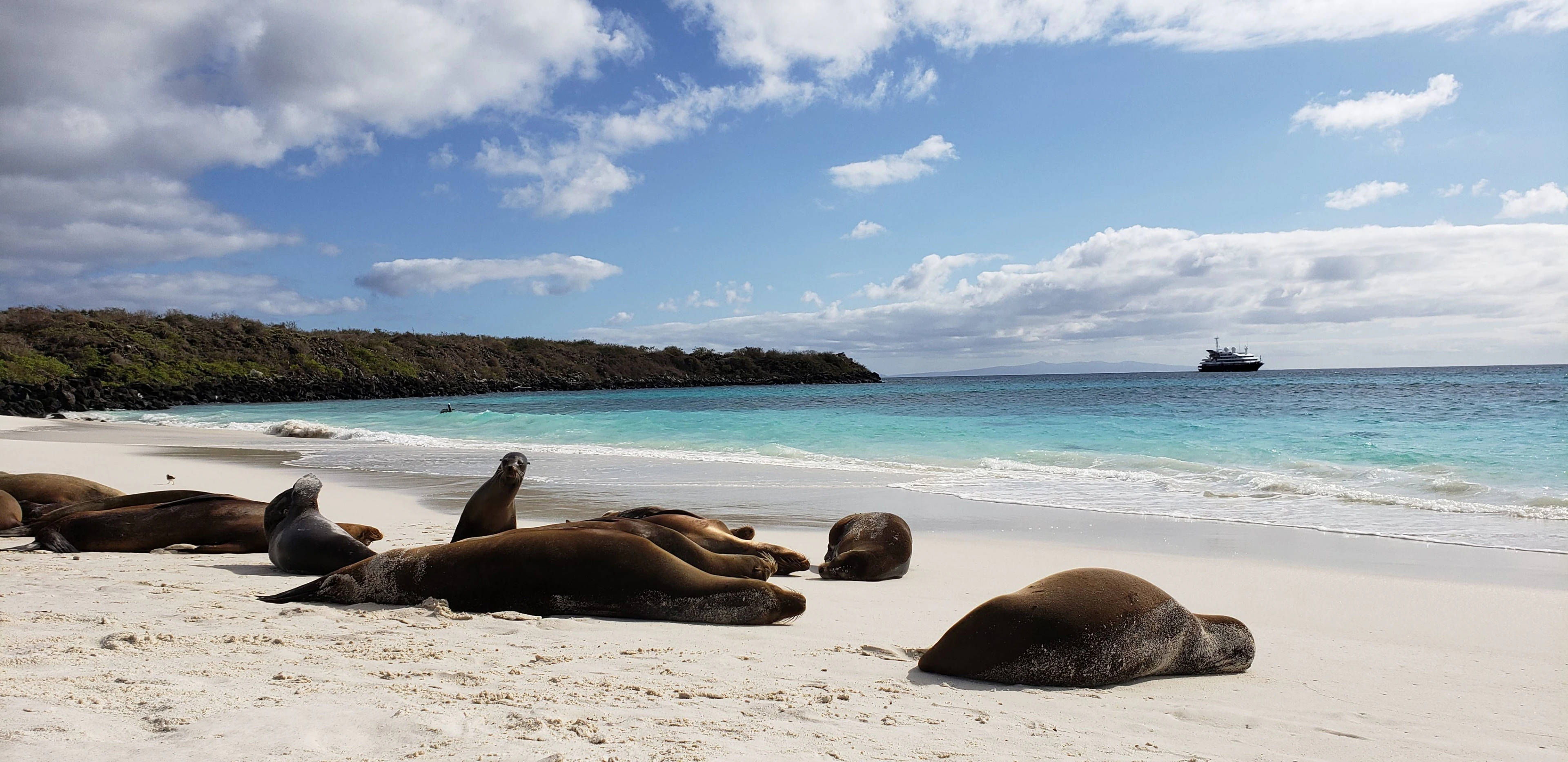
Boat-based wildlife viewing
- Be careful sharing photos of endangered species online; disable geolocation where poaching is a risk.
- Do not collect or disturb flora, fauna, or habitat.
- Never feed wildlife.
- Keep noise low for animals and other guests.
- Reduce waste and bring reusables.
- Be water-wise in scarce environments.
Ziplines / canopy tours
- Make sure you understand how to move safely through the course; ask your guide before continuing if unsure.
Working animals
- Follow guide instructions on whether contact or feeding is allowed and how to do it safely.
- Stay in designated activity areas.
Wild camping
- Be honest about fitness so we can design a good experience for the group.
- Follow safety and etiquette guidance; stay on trails and campsite footprints.
- Use biodegradable toiletries without microplastics.
- Wash at least 50 m from watercourses; disperse wastewater widely.
- Prefer stoves over fires; respect fire bans.
- Store food securely; pack out all waste; leave no trace.
Walking / hiking / trekking
- Clean footwear before entering sensitive areas to limit invasive species.
- Stay on marked paths.
- Pack out waste and use recycling when available.
- Respect other users of the trail.
Volunteering
- Choose programs that work with local people, not instead of them.
- Understand how the placement supports longer-term goals.
- Respect host rules, privacy, and local relationships.
- Join customs when invited; buy local; save energy.
- Consider ongoing support after you return home.
Diving & snorkeling
- Be accurate about your skill level; ask about refreshers if needed.
- Control bulky cameras so they do not damage the reef.
- Follow wildlife-viewing distances and buddy protocols.
- Use reef-safe sun protection; check equipment fit before entering the water.
- Use a vest over shallow reefs; keep fins away from coral and sand.
- Hold onto rock or dead reef only if you must steady yourself.
- Do not collect, chase, or poke marine life; minimize flash and bright lights.
Fishing
- Obey fishing laws and permits; release undersize, out-of-season, or protected catch carefully.
- Never leave active gear unattended.
- For catch-and-release, keep fish in water as much as possible and handle with wet hands.
- Hold fish horizontally for photos; if keeping fish, dispatch humanely.
Rock climbing / abseiling
- Be accurate about fitness and ability.
- Access routes via existing paths.
- Limit chalk and fixed gear; avoid damaging rock or vegetation.
- Stay away from sites of scientific or cultural sensitivity.
- Do not disturb flora, fauna, or habitat; pack out waste.
Horse riding & pony trekking
- Follow mounting, behavior, spacing, and road-crossing guidance.
- Do a short test ride before departing.
- Clean footwear in sensitive environments; stay centered on the trail.
- Avoid galloping in fragile areas; use designated watering points.
- Cross water at bridges or marked points at 90° to the bank.