
The Richness and Luxury of Peruvian Cuisine
Erika
-
June 3, 2025
A Journey of Quiet Wonder: Your Honeymoon in Bolivia
Experience a Bolivia honeymoon, where surreal salt flats, tranquil lakes, and hidden jungle retreats create an
What to See in La Paz, Bolivia: Rustic Luxury in the Heart of the Andes
Explore rustic luxury in La Paz, Bolivia — from cable cars to markets, cuisine, and culture

Peruvian cuisine is a vibrant tapestry of flavors, techniques, and traditions that reflect the country’s diverse geography, history, and cultural influences. From the fresh seafood of the Pacific coast to the hearty dishes of the Andes and the exotic ingredients of the Amazon, Peru’s culinary landscape is as varied as it is luxurious. What makes Peruvian cuisine truly exceptional is not just its flavors but the meticulous preparation, high-quality ingredients, and deep-rooted heritage behind every dish.
A Land of Culinary Diversity
Peru’s unique geography—coast, mountains, and jungle—provides an unparalleled variety of ingredients. The cold Humboldt Current along the coast ensures an abundance of seafood, while the Andes supply ancient grains like quinoa and kiwicha, as well as potatoes in countless varieties. The Amazon contributes exotic fruits, wild game, and rare spices. This natural bounty allows Peruvian chefs to craft dishes that are both sophisticated and deeply connected to the land.

Historical Influences: A Fusion of Flavors
Peruvian cuisine is the result of centuries of cultural exchange. Indigenous traditions form the foundation, but Spanish colonization introduced ingredients like garlic, onions, and citrus, while African, Chinese, Japanese, and Italian immigrants each left their mark. This fusion is most evident in dishes like lomo saltado (stir-fried beef with soy sauce and French fries) and tiradito (a Japanese-inspired take on ceviche).
The Nobility of Indigenous Ingredients
Long before outside influences arrived, pre-Columbian civilizations like the Incas cultivated an impressive array of ingredients. Potatoes, originally domesticated in Peru, come in over 4,000 varieties, from the earthy papa amarilla to the vibrant papa morada. Maize (corn) was sacred, and ancient grains like quinoa and kañiwa remain staples today. These ingredients were not merely sustenance but held cultural and even spiritual significance, elevating them beyond ordinary food.
The Luxury of Seafood: Ceviche and Beyond
Peru’s coastline stretches over 2,400 kilometers, making seafood a cornerstone of its cuisine. Ceviche, the country’s most famous dish, is a testament to simplicity and quality. Fresh raw fish, typically corvina or sea bass, is marinated in leche de tigre (a mix of lime juice, chili, and fish broth) and served with sweet potato, corn, and red onion. The balance of acidity, heat, and sweetness makes it a dish of refined elegance.
Beyond ceviche, dishes like tiradito (thinly sliced fish with a spicy sauce) and chupe de camarones (a rich shrimp chowder with milk, eggs, and Andean herbs) showcase the depth of Peruvian seafood cuisine. Even humble ingredients like mussels and octopus are transformed into luxurious dishes through expert preparation.

The Heart of the Andes: Meats and Starches
In the highlands, meat takes center stage. Cuy (guinea pig), a traditional Andean delicacy, is roasted whole and served with potatoes and spicy sauces—its crispy skin and tender meat make it a dish reserved for special occasions. Alpaca, lean and flavorful, is another highland treasure, often grilled or stewed.
But the real luxury lies in the slow-cooked dishes. Pachamanca, an ancient cooking method, involves marinating meats (pork, lamb, chicken) with herbs and cooking them underground with hot stones. The result is smoky, succulent meat infused with earthy flavors. Rocoto relleno, a spicy pepper stuffed with minced meat, cheese, and spices, is another Andean masterpiece.
The Amazon: Exotic and Unparalleled Flavors
Peru’s Amazon region offers ingredients found nowhere else in the world. Paiche, one of the largest freshwater fish, has firm, buttery flesh that rivals the best seafood. Tacacho con cecina (mashed plantains with smoked pork) is a rustic yet indulgent dish, while juane (rice, chicken, and spices wrapped in bijao leaves) is a fragrant, aromatic delicacy.
Exotic fruits like camu camu (with more vitamin C than an orange), aguaje (used in ice creams and cocktails), and cocona (a citrusy jungle tomato) add unique dimensions to Peruvian cuisine, both in savory dishes and desserts.
The Art of Peruvian Sauces
No discussion of Peruvian food is complete without its sauces. Aji amarillo, a bright yellow chili, is the backbone of many dishes, providing a fruity heat. Huancaina sauce, made with aji amarillo, cheese, and evaporated milk, elevates simple boiled potatoes into the beloved papa a la huancaina. Ocopa, a nutty, herb-infused sauce, is another example of how Peruvians turn simple ingredients into something extraordinary.

The Rise of Novoandina Cuisine
In recent decades, Peruvian chefs have reimagined traditional dishes with modern techniques, giving rise to Novoandina cuisine. Gastón Acurio, Virgilio Martínez, and Pía León have gained international acclaim by presenting Peruvian flavors in innovative ways. Restaurants like Central and Maido rank among the world’s best, offering tasting menus that take diners on a journey through Peru’s ecosystems.
Desserts and Drinks: A Sweet Finale
Peruvian desserts are a blend of indigenous and colonial influences. Suspiro a la limeña, a caramel-like custard topped with meringue, is rich and velvety. Picarones, doughnuts made from squash and sweet potato, are drizzled with molasses syrup. Lucuma, a creamy tropical fruit, is used in ice creams and cakes, offering a uniquely Peruvian sweetness.
For drinks, pisco, a grape brandy, is the national spirit. The pisco sour (pisco, lime, egg white, and bitters) is a perfectly balanced cocktail, while chilcano (pisco with ginger ale) is a refreshing alternative. Indigenous drinks like chicha morada (made from purple corn) and emoliente (an herbal tea) showcase Peru’s non-alcoholic traditions.
Conclusion: A Cuisine Worth Celebrating
Peruvian cuisine is luxurious not because of opulent presentation alone, but because of its deep connection to the land, its history, and the skill of its people. Every dish tells a story—whether it’s the fisherman’s ceviche, the farmer’s pachamanca, or the chef’s modern reinterpretation of ancient flavors. This is a cuisine that respects its roots while constantly evolving, making it one of the most exciting and richly rewarding culinary traditions in the world.
For those who seek true gastronomic excellence, Peru offers a feast unlike any other—one that is as diverse, sophisticated, and soulful as the country itself.
Journey histories
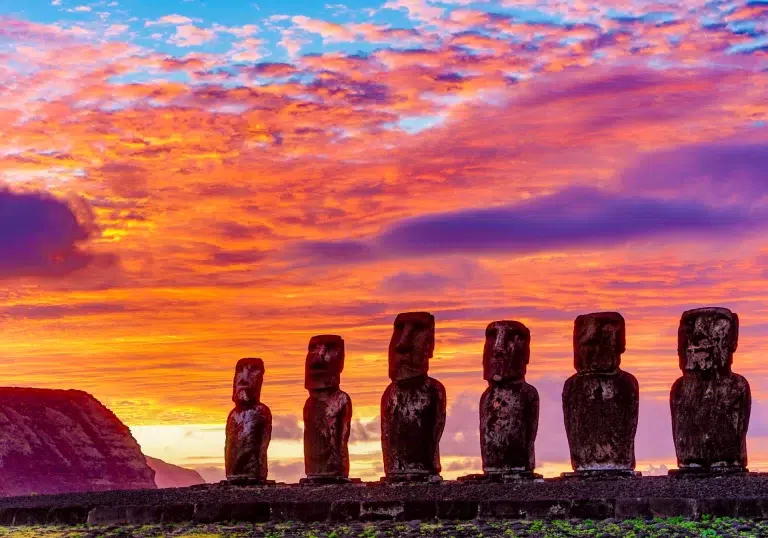
A Luxurious Odyssey Through Chile: Where Adventure Meets Elegance
Chile offers a luxury vacation with urban sophistication in Santiago, wine tours, and adventures in Patagonia, the Atacama Desert, and Easter Island.

A Journey of Quiet Wonder: Your Honeymoon in Bolivia
Experience a Bolivia honeymoon, where surreal salt flats, tranquil lakes, and hidden jungle retreats create an intimate and unforgettable escape.