
What to See in La Paz, Bolivia: Rustic Luxury in the Heart of the Andes
Erika
-
July 21, 2025
Explore South America’s Hidden Elegance: Retreats Beyond Time
Discover the art of slow travel with three curated rail experiences across Latin America—where scenic beauty
A Journey of Quiet Wonder: Your Honeymoon in Bolivia
Experience a Bolivia honeymoon, where surreal salt flats, tranquil lakes, and hidden jungle retreats create an

There are places in the world where luxury takes on new meaning—not in terms of gold-plated finishes or sprawling suites, but in the privilege of connection, the wonder of discovery, and the quiet magnificence of landscapes that have existed long before us. La Paz, Bolivia, is one such place.
Set dramatically at over 3,600 meters above sea level and surrounded by the jagged peaks of the Andes, La Paz is a city that challenges definitions and rewards those who seek experiences over status. It’s a place of contrasts—colonial architecture and indigenous heritage, cosmopolitan creativity and deep tradition, high-altitude modernity and timeless rituals. And above all, it’s a city where rustic luxury thrives: intimate, authentic, deeply rooted in place.
If you’re wondering what to see and experience in La Paz without sacrificing comfort or cultural depth, here’s a thoughtful journey through its most captivating offerings—from panoramic views to soul-nourishing cuisine.
1. Breathe in the Beauty: El Alto and the Cable Cars
One of the most breathtaking—and literal—ways to see La Paz is from above. The Mi Teleférico cable car system, the most extensive urban cable car network in the world, isn’t just a marvel of transportation. It’s a silent, gliding window into the soul of the city.
As you ascend toward El Alto, the satellite city that crowns La Paz, you’ll watch the entire bowl-shaped metropolis unfold beneath you. Red-brick homes spill down steep hillsides, snow-capped Illimani looms in the distance, and the rhythm of daily life unfolds in miniature far below. This experience is a perfect metaphor for La Paz itself—elevated in every sense, quietly extraordinary.
From a rustic luxury perspective, the experience is quiet, uncrowded, and deeply enriching. Forget busy buses or chaotic taxi rides; this is La Paz at its most serene.

2. Wander Through Time: Calle Jaén and the Historic Center
Step into the past on Calle Jaén, one of the city’s most picturesque colonial streets. Lined with pastel-hued buildings, wrought-iron balconies, and cobblestones smoothed by centuries of footsteps, it offers a slower pace and a reverent whisper of history.
Here, several museums—such as the Museo del Oro (Gold Museum) and the Casa de Murillo—invite you to explore Bolivia’s layered past, from pre-Columbian civilizations to colonial power struggles and the birth of a modern republic. The luxury here is intellectual and emotional: to move through time and space, to connect with a cultural heritage that still pulses through everyday life in La Paz.
Afterward, enjoy a quiet coffee or artisan chocolate at a tucked-away café, where the barista likely knows the origins of every bean and speaks proudly of Bolivian-grown cacao.
3. Savor the Earth: La Paz’s Gastronomic Awakening
Bolivia is quietly undergoing a culinary renaissance, and La Paz is at its epicenter. Bolivian cuisine—once overshadowed on the international stage—is now being reimagined by chefs who are honoring ancient ingredients with modern techniques.
Dining at restaurants like Gustu, founded by Claus Meyer (of Noma fame), is not simply a meal—it’s a journey through Bolivia’s ecosystems. From the quinoa fields of the Altiplano to the Amazon’s exotic fruits, every dish carries the essence of its origin. Yet the setting remains intimate, rooted in local materials and humble elegance. No pretension—just reverence for the land.
Other local favorites like Ali Pacha, a plant-based fine-dining restaurant, or Manq’a, a social project turned culinary star, showcase the power of food as both cultural expression and social transformation.
Luxury in La Paz’s dining scene doesn’t lie in imported caviar or crystal glasses—it lies in the dignity of native ingredients, the creativity of young Bolivian chefs, and the deeply satisfying experience of flavor that tells a story.

4. Touch the Sacred: The Witches’ Market and Andean Spirituality
To understand La Paz, one must not only see it but feel it. The city hums with Andean spirituality, and nowhere is this more present than in the Mercado de las Brujas—the Witches’ Market.
Despite its sensationalized name, this place is a center of traditional healing and spiritual practice. Here, yatiris (Aymara healers) sell herbs, talismans, and offerings for Pachamama (Mother Earth). You’ll see dried llama fetuses, aromatic resins, and ceremonial items used in ancestral rituals that are still practiced in homes and altars across the highlands.
For travelers seeking depth, visiting the Witches’ Market with a trusted guide or local interpreter offers insights into a worldview where everything is connected—earth, body, spirit, and sky.
It’s not glamorous in the conventional sense, but there is a quiet luxury in encountering belief systems that still hold meaning. In a world of fast-paced consumption, there’s something deeply grounding about a city where rituals still matter.
5. Take in the Drama: Valle de la Luna and the Altiplano Landscapes
Just 10 kilometers from the city center, Valle de la Luna (Moon Valley) is a surreal desertscape of eroded clay spires and jagged formations. Walking its narrow trails feels like traversing an alien world, yet it remains deeply connected to Bolivian earth.
Rustic luxury reveals itself here in silence, in the play of shadow and light, in the scent of dust and dry air. There are no crowds, no souvenir shops cluttering the view—just you, the wind, and the slow work of time.
Beyond the valley, the greater Altiplano opens up with opportunities for day trips or extensions to Lake Titicaca or Uyuni, offering further exploration into Bolivia’s vast, soul-stirring terrain.

6. Live the Culture: Art, Textiles, and Daily Life
What makes La Paz truly unforgettable isn’t just what you see—but what you absorb. The Aymara and Quechua cultures are not locked in museums; they are alive on every street corner, in every market, in the vibrant weavings worn proudly by women, in the hand-embroidered aguayos that carry babies and goods alike.
Visit the Museo de Etnografía y Folklore to understand these traditions in context, or better yet, meet local artisans at cooperatives and studios in Sopocachi, the city’s bohemian neighborhood. Here you’ll find contemporary artists, musicians, and textile makers weaving ancient symbols into new forms.
In La Paz, authenticity isn’t a trend—it’s a way of life. And this, more than anything, is its true luxury.
Final Thoughts: A City That Changes You
La Paz doesn’t offer a polished, postcard-perfect version of travel. It doesn’t cater to superficial comfort or extravagant show. What it offers is something rarer—a chance to immerse yourself in a city that is unapologetically itself, that invites you to slow down, to pay attention, to feel deeply.
In La Paz, luxury is found in the texture of life: a steaming bowl of chairo soup on a chilly afternoon, a handwoven scarf dyed with cochineal, the quiet majesty of Illimani at sunrise. It’s a city that offers you not just things to see, but ways to feel more human.
Whether you come for the culture, the food, or the landscapes, you’ll leave with something more profound—an internal shift, a story written not in extravagance, but in meaning.
Journey histories
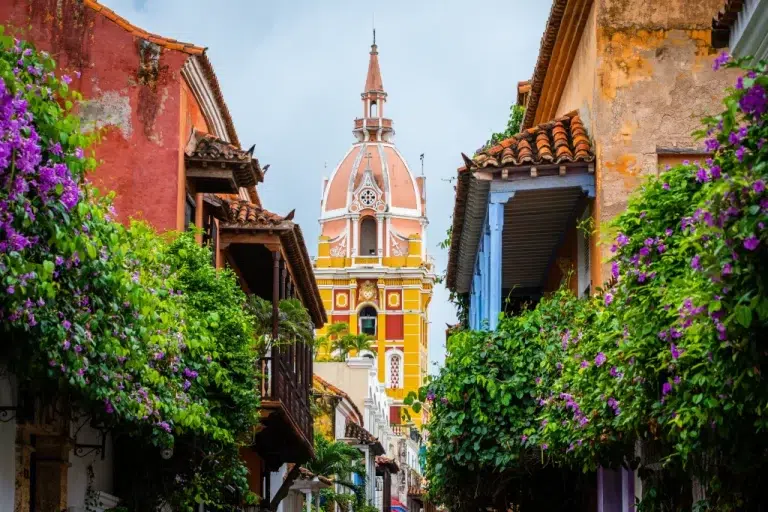
Waves, Walls, and Womankind: A Female Traveler’s Tale in Cartagena de Indias
Explore Cartagena de Indias through the eyes of a solo female traveler—where history, safety, culture, and Caribbean empowerment come alive.
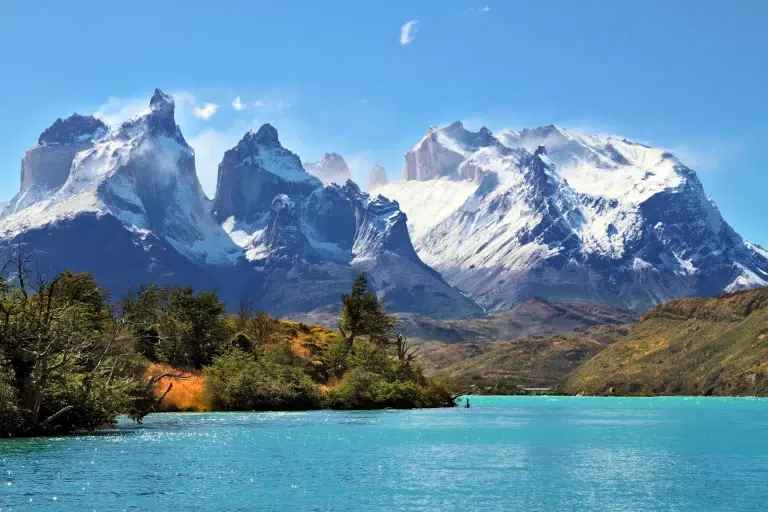
Exploring the Carretera Austral in Luxury: A Journey Through Patagonia’s Soul
Travel the Carretera Austral in style—luxury lodges, gourmet dining, and soul-stirring landscapes in Chilean Patagonia await.