
Beyond the Andes: Unmissable Excursions in the South of Chile
Erika
-
May 7, 2025
48 Hours in Lima: A Journey Through the Soul of Peru
Experience 48 hours in Lima, where vibrant cuisine, colonial charm, and coastal beauty blend into an
Salar de Uyuni: A Luxury Family Experience Beneath the Sky
Luxury family travel to Salar de Uyuni: surreal landscapes, comfort, and unforgettable memories.

In the southern latitudes of Chile, where the landscapes begin to feel like whispered legends and time seems to slow down, travelers often find themselves caught off guard—not by fanfare or spectacle, but by the authenticity of a region that quietly unfolds its natural splendor and cultural depth. Here, excursions aren’t just activities—they’re immersive journeys into the heart of Patagonia, the mystique of ancient forests, and the pulse of resilient communities.
Having traveled extensively across South America, there are few places that remain as vividly etched in my memory as the southern reaches of Chile. From the temperate rainforests of the Lake District to the windswept fjords near the end of the continent, this part of the world feels both grounded and otherworldly. If you’re planning to venture south of the Bío Bío River, these are the excursions you simply shouldn’t miss—each one grounded in truth, free of embellishment, and richer than any travel brochure could ever promise.
1. Hiking the Trails of Torres del Paine National Park
It’s impossible to speak of southern Chile without mentioning Torres del Paine, the crown jewel of Chilean Patagonia. But this isn’t just about checking off a famous name on a bucket list. The real magic lies in the act of walking—whether you’re committing to the multi-day “W” trek or simply spending a day on a shorter circuit.
I chose the day hike to Base Torres, arguably the most iconic of all. The early hours were misty, with condors circling above the granite peaks, and by late morning, the sun broke through to reveal the torres—those towering granite spires that seem like they’ve been carved by ancient gods. No photo does them justice. The climb is demanding, especially the final hour up a rocky moraine, but the reward is absolute stillness at the top, a glacial lagoon below the towers, and a sense of insignificance that humbles even the most seasoned hiker.
You don’t need to be an extreme adventurer to appreciate Torres del Paine. There are boat rides across Lago Grey to see the massive glacier of the same name, and horseback rides that wind through lenga forests and pampas, offering glimpses of guanacos and possibly even a puma, if you’re lucky.

2. Sailing the Fjords of Tierra del Fuego and Puerto Natales
From the small port town of Puerto Natales, excursions by boat take you deep into the Patagonian fjords—those winding, glacially-carved channels that have shaped life here for centuries. One particularly memorable journey is the day trip to the Serrano and Balmaceda Glaciers, where the boat weaves through Last Hope Sound, flanked by towering cliffs and waterfalls that tumble down like silver threads.
On the way, cormorants nest on rocky outcroppings, and sea lions lounge lazily. The boat anchors near the edge of Balmaceda Glacier, its craggy blue surface calving into the water below, and a short hike brings you closer to the Serrano Glacier, set against a dramatic mountain amphitheater.
These boat excursions are peaceful, reflective experiences. There’s no rush here—just the slow rhythm of the sea, the crackle of ice, and the occasional wind gust strong enough to remind you that this land is untamed.

3. Exploring the Mythical Island of Chiloé
If Patagonia is Chile’s wild soul, then Chiloé is its heart—deeply rooted in folklore, community, and tradition. Reaching Chiloé by ferry from the mainland is the first taste of its separation from the rest of the world, both physically and culturally.
In Castro, the capital, colorful palafitos (stilt houses) line the waterfront, remnants of a fishing culture that still thrives today. The excursion to the Chiloé National Park offers hikes through moss-draped forests and peat bogs, where endemic species like the pudú (a tiny deer) and Darwin’s fox might be glimpsed.
But Chiloé is as much about its people as its nature. I spent an afternoon in the rural community of Tenaún, where locals still build wooden boats by hand. The air smelled of wet timber and the Pacific, and the stories of brujos (sorcerers) and ghost ships like the Caleuche still hung in the salty breeze. A visit to one of Chiloé’s 16 UNESCO recognized wooden churches is essential—testaments to the island’s fusion of indigenous and Jesuit traditions.
Food is a key part of any visit here. I was lucky enough to be invited to a traditional curanto, a pit-cooked meal of shellfish, meats, potatoes, and milcaos (potato pancakes) steamed over hot stones. It’s not a show for tourists—it’s a communal event, often accompanied by local songs and storytelling.
4. Climbing (or Admiring) the Osorno Volcano in the Lake District
Farther north in the Los Lagos Region, near the cities of Puerto Varas and Frutillar, the landscape shifts to rolling farmland and glacier-fed lakes framed by conical volcanoes. Among them, Osorno stands as the star.
Many travelers opt for a scenic drive up to the Osorno Ski Center, where the panoramic view of Llanquihue Lake and the surrounding peaks is simply breathtaking. For the more adventurous, there are guided climbs or even summer skiing on the snow-covered slopes.
One of my most vivid memories was hiking through the Vicente Pérez Rosales National Park, where the Petrohué Falls thunder over black volcanic rock. The water here is turquoise—not exaggerated in color-corrected photos, but genuinely startling in real life. From there, you can kayak or take a catamaran across Todos los Santos Lake, with views of Osorno and the neighboring volcanoes reflecting off the still surface.
Puerto Varas itself, with its German-inspired architecture and easygoing pace, makes for an ideal base. It’s the kind of place where you sip kuchen and coffee in the afternoon while watching the clouds roll over the volcano.

5. Navigating the Marble Caves of General Carrera Lake
On the far side of the Andes in Aysén Region, one of the most remarkable excursions in all of Chile awaits: a boat ride to the Capillas de Mármol (Marble Caves) on General Carrera Lake. Accessible from the town of Puerto Río Tranquilo, this journey reveals intricate caves sculpted over millennia by wind and water.
What struck me most wasn’t just the color—the surreal swirl of blues, whites, and grays—but the silence. The water is glacier-fed, calm, and so clear it feels like you’re floating through air. Small boats maneuver through the arches and chambers, the walls glistening in the soft light.
This isn’t a massive tourist attraction. It’s a modest excursion in a remote part of Chile, requiring time and effort to reach. But that’s part of its charm—everything here feels earned, and that makes it all the more unforgettable.
Final Thoughts
Southern Chile doesn’t promise extravagance. It doesn’t rely on hype. Instead, it delivers deeply felt experiences—whether you’re standing before towering spires in Patagonia, listening to Chiloé’s ghost stories, or quietly marveling at volcanic landscapes near Llanquihue.
Each excursion feels less like a checklist and more like a conversation—with nature, with history, and with a culture that endures against all odds. These are not excursions to rush through; they are moments to absorb slowly, with gratitude and wonder.
And that’s the truth of the south of Chile. No exaggeration needed.
Journey histories
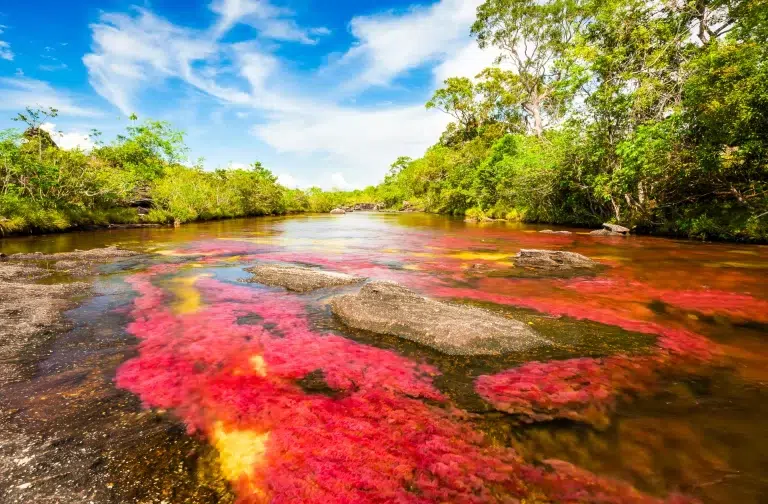
A Journey Through Colombia: Indulgence, Adventure, and Natural Beauty
Colombia luxury travel blends culture, nature, and exclusivity, from Bogotá’s hotels to the Caribbean, coffee farms, Medellín, and the Amazon.
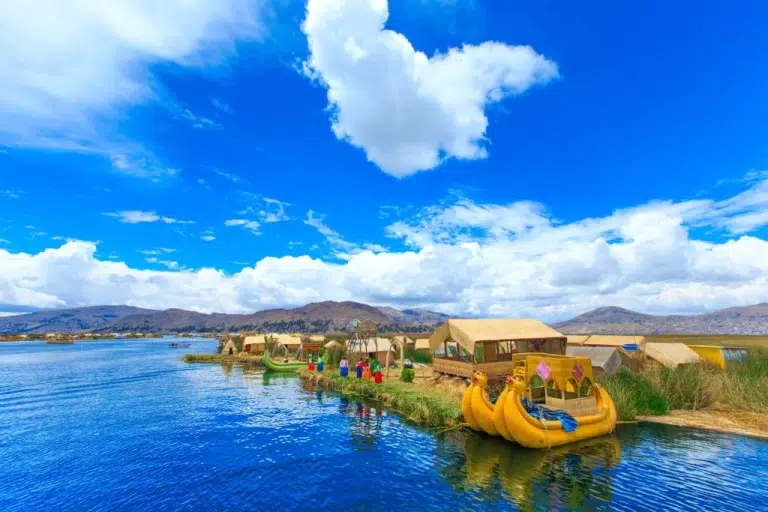
Experiences on Lake Titicaca: Where Nature, Culture, and Quiet Luxury Intertwine
Experience Lake Titicaca in 2025 through quiet luxury, cultural immersion, and breathtaking nature across Peru and Bolivia’s sacred highland waters.