
The Difference Between Cruise or Land Travel in Galapagos: A Story of Two Journeys
Andrea
-
July 21, 2025
A Journey Through Colombia: Discovering Elegance Amidst Diversity
Discover Colombia’s refined elegance, where vibrant landscapes, rich culture, and quiet luxury create an unforgettable travel
A Journey Through Bolivia: A Luxury Experience Amidst Surreal Landscapes and Rich Culture
Bolivia offers luxury through salt flats, the Amazon, and highlands with private tours, high-end lodges, and

It began as many dream trips do — with a simple question whispered over morning coffee: “Should we explore the Galápagos Islands by cruise or stay on land?”
That one question led us to a months-long journey of research, weighing every possibility, and imagining what each option would feel like. The Galápagos, a place where time seems to stretch and shrink all at once, isn’t just another destination — it’s a living museum, a fragile sanctuary of life where evolution is visible in every feather, shell, and stone. Whether by sea or by shore, choosing how to explore this remote archipelago defines the shape of your experience.
The Two Faces of the Galápagos
The Galápagos offer two main travel options: cruising aboard a small expedition ship or staying in island-based accommodations and hopping between islands by boat or plane. Each approach paints the archipelago in a different light — one sweeping and panoramic, the other more grounded and intimate.
We first met travelers like Marta and Daniel, a couple from Spain who chose a small ship Galápagos cruise. For them, waking up every morning anchored in a new bay was nothing short of magic. Their vessel was a floating hotel, moving silently under the stars, bringing them face-to-face with some of the most remote and pristine corners of the archipelago — Española’s blowhole cliffs, Genovesa’s bird paradise, and Fernandina’s lava flows untouched by human hands.
Cruising, as they described it, was a seamless dive into biodiversity. The Galápagos cruise benefits they mentioned most often included access to remote islands that are not reachable by land-based tours, well-trained naturalist guides aboard, and an all-inclusive rhythm that allowed them to focus on nature rather than logistics. The difference between cruise and land Galápagos travel, they said, was akin to drifting through a wildlife documentary — everything perfectly choreographed, yet still wild and unscripted.
But not everyone chooses the sea.

Walking with Iguanas: The Land-Based Experience
Across the archipelago, in the town of Puerto Ayora on Santa Cruz Island, we met Leo and Clara, a family traveling with their young children. Their Galápagos land-based vs. cruise travel decision was shaped by flexibility and a desire for slower days. For them, staying in eco-lodges on the islands brought a different connection—one with the people, the rhythms of daily life, and the culture that pulses quietly beneath the surface of this volcanic archipelago.
Land-based Galápagos adventures open doors to experiences that cruises simply cannot offer: sampling seafood at a local kiosk after a day trip to Tortuga Bay, watching fishermen unload their catch as sea lions beg playfully at the dock, and chatting with locals about conservation projects over strong coffee.
Leo shared that their land tour included daily excursions — boat rides to nearby islands like North Seymour or Bartolomé, hikes up to lava tunnels, and snorkeling trips to Los Túneles on Isabela. Though they couldn’t reach the more remote islands, they felt more immersed in the island life. Galápagos island-hopping offered them both adventure and rest, with evenings free to walk the beach or simply read in a hammock. For families, those breaks matter.
Galápagos Trip Comparison: What Matters Most
When planning your own journey, the Galápagos travel guide dilemma — cruise or hotel stay? — boils down to expectations, budget, and travel style.
Cruises offer unmatched access to the farthest reaches of the archipelago. Small vessels (typically 16 passengers or fewer) are intimate, highly organized, and eco-conscious. Their itineraries are designed for maximum wildlife encounters: blue-footed boobies, flightless cormorants, marine iguanas, and giant tortoises all in their natural habitats, often with no other humans in sight.
On the other hand, Galápagos land tours explained by local operators allow for more spontaneous exploration and often cost less. You can tailor your trip based on your pace — add in diving at Gordon Rocks or kayaking in Tintoreras, or take a rest day between adventures. Accommodations range from cozy guesthouses to upscale eco-lodges. Galapagos Islands are increasingly known for.
But logistics matter. Galápagos logistics cruise vs land aren’t trivial. Cruises handle every detail: meals, transfers, guided tours. Land travel requires more coordination — booking ferries, planning day tours, navigating inter-island flight schedules. For independent travelers, this can be part of the fun. For others, it’s a burden.

Pros and Cons: Galápagos Cruise or Land Stay
The pros and cons Galápagos cruise travelers often mention include the smoothness of travel, knowledgeable guides, and access to isolated sites like Punta Suárez or Darwin Bay. Yet they also note seasickness, strict schedules, and limited downtime on board. Some miss the freedom of choosing how to spend each evening or stepping off the ship for an unscheduled gelato.
Staying on Galápagos islands vs cruising offers different advantages: a wider choice of dining options, the ability to interact with locals, and greater flexibility. However, it means longer travel times to reach natural sites, fewer island options (most land tours cover only the central islands), and sometimes less in-depth guidance during excursions.
Budget vs Luxury Galápagos Options
Whether you’re drawn to land or sea, Galápagos travel planning tips always come back to budget. Cruises span from mid-range to luxury, with the most opulent offering jacuzzis, gourmet menus, and private guides. Land-based travel can be budget-friendly, especially if you opt for public ferries and local tours, though luxury eco-lodges can match cruise prices — and comfort.
For those seeking responsible tourism, both options now increasingly emphasize sustainability. Operators limit plastic use, support conservation, and educate travelers. Choosing locally owned hotels or vessels also ensures that your travel dollars support island communities.

The Best Way to Visit Galápagos? It Depends on You
So, what is the best way to visit Galápagos? There’s no universal answer. Some travelers, like Marta and Daniel, find their rhythm on the sea, lulled to sleep by waves and woken by sea lions barking. Others, like Leo and Clara, thrive on land, building slow memories with their children and connecting with the islands’ human heart.
The true difference between cruise and land Galápagos travel lies not only in where you sleep, but in how you choose to experience awe. By sea, it’s a cinematic sweep — surreal, structured, and sublime. By land, it’s textured — layered with laughter, food, detours, and the unexpected.
Both routes bring you face-to-face with the wonders that made Darwin rethink the world. The choice is yours, and either way, the Galápagos will leave a mark that lasts long after the journey ends.
Journey histories
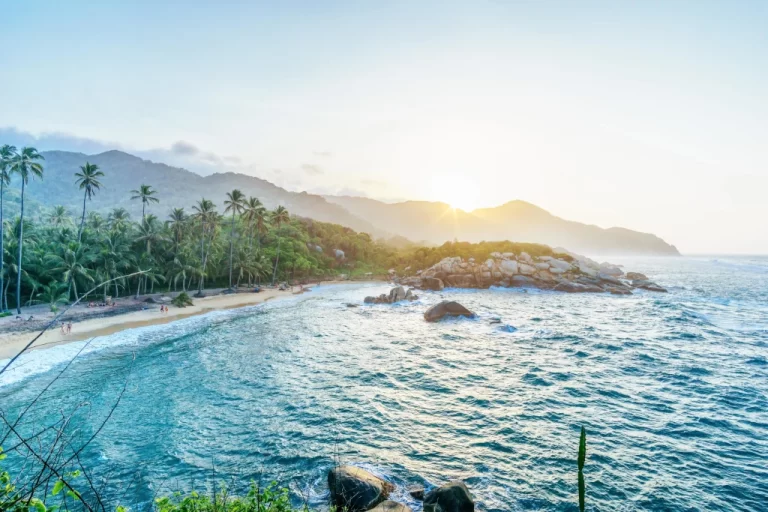
Hiking in Tayrona National Natural Park: A Luxury Experience in Nature’s Embrace
Discover luxury hiking in Tayrona Park—exclusive trails, eco-lodges, and cultural immersion in Colombia’s Caribbean paradise.

Ecuador: A Luxury to Experience
Ecuador’s luxury blends adventure and comfort, from Quito’s colonial charm to the Galapagos, with private guides, gastronomy, and rich culture.