
A Mirror to the Sky: The Best Time to Visit the Salar de Uyuni in Luxury
Andrea
-
April 2, 2025
Discover a 10-Day Luxury Itinerary in Chile: Nature, Culture, and Unparalleled Comfort
Experience 10 days of luxury in Chile, where breathtaking landscapes, fine dining, and curated adventures blend
The Richness and Luxury of Peruvian Cuisine
Discover the richness of Peruvian cuisine, where diverse flavors, ancestral traditions, and modern innovation create a

There are places in the world that defy description—where words feel small, and photos, though breathtaking, never quite capture the sensation of standing there. The Salar de Uyuni in Bolivia is one of those places. At over 10,000 square kilometers, it is the largest salt flat on Earth, a white expanse that stretches so far, it feels like the edge of the world.
But beyond its stark beauty lies another secret: timing is everything.
I had long dreamed of seeing the Salar. My social feeds had been flooded with surreal images—perfect mirror reflections of the sky during the rainy season and endless white plains that made people look like miniature figurines in the dry. I knew I wanted more than a quick visit or a backpacking adventure. I wanted to experience the Salar in comfort, without sacrificing authenticity. And more importantly, I wanted to understand when, exactly, it was best to go.
What I discovered is that the “best time” depends entirely on what you’re seeking—and whether you’re willing to trade expectations for something even more meaningful.
The Dual Faces of the Salar
There are two distinct seasons in the Salar de Uyuni: the dry season (roughly May to November) and the wet season (December to April). Each transforms the landscape completely, almost as if you’re visiting two different worlds.
I chose to go in late March, just as the rainy season was tapering off. It was a calculated decision—based on hours of research and a little luck with the weather forecast. The goal was to catch the mirror effect, but also have the chance to see parts of the salt flats that would be inaccessible during heavy rains.

Arriving in Uyuni: A Journey in Itself
Getting to Uyuni is part of the adventure. Most luxury travelers fly from La Paz or Sucre, although there are also train and overland options. I flew, and even from the air, the view of the salt flats—bright and shimmering—was unlike anything I’d ever seen.
I was picked up at the tiny airport by a driver and guide from a Lodge, one of the most unique luxury properties in the region. Located right on the edge of the flats, the lodge consists of futuristic white domes that look more like a Mars settlement than a hotel. But don’t be fooled by the sci-fi look—inside, the domes are warm, elegant, and filled with locally inspired design touches. Sustainable, solar-powered, and in deep collaboration with nearby indigenous communities, a Lodge felt luxurious without ever feeling out of place.
The Mirror Effect: When Earth Becomes Sky
On my first full day, the guide said simply, “Let’s chase the water.”
We drove out before sunrise, our 4×4 gliding silently over a thin film of water no more than a few inches deep. The sun hadn’t yet broken the horizon, but already the sky was blushing with soft orange light.
Then, it happened.
As the sun rose, the ground disappeared. The water on the salt flat reflected the sky so perfectly that I couldn’t tell where one ended and the other began. Mountains floated upside down. Clouds seemed to hang beneath my feet. There was no direction—no up, no down—only this infinite blue and white dream.
We stopped and got out of the vehicle. For a moment, the only sound was the wind. I walked a few steps away from the car and looked around. No sign of the vehicle. No roads. No people. Just me and the sky, surrounding me in every direction.
Luxury in this context wasn’t about thread counts or vintage wines. It was about time, silence, and space—things that are increasingly rare in our world. My guide knew when to talk and when to let me be alone. He had grown up near the flats and carried stories passed down through his family: of salt gatherers, of spirits in the mountains, of rituals during the full moon.

The Dry Beauty: Salt Hexagons and Alien Landscapes
On the second day, we visited areas of the Salar where the water had already evaporated, revealing the famous salt polygons. These natural formations—hexagon-shaped crusts created by the drying process—stretch for miles and give the ground a strange, geometric texture. Walking across them felt like stepping onto another planet.
The vehicle bounced lightly over the firm crust as we made our way to Isla Incahuasi, an island of giant cacti in the middle of the salt sea. I hiked to the top and looked out over the endless white. From here, the scale of the Salar hit me: nothing but bright salt in every direction, with mountains hovering like mirages on the horizon.
In a private shaded area near the base of the island, lunch was laid out for me—a Bolivian-inspired picnic with wine, fresh produce, quinoa salads, and grilled trout. The lodge had thought of everything, down to the reusable utensils and the cooling towels. I ate in silence, my feet almost touching the salt.
When to Go: A Season for Every Soul
As with all natural wonders, choosing when to visit the Salar de Uyuni depends on what you want from the experience. Here’s what I learned:
- December to March: This is the rainy season, and while heavy rains can sometimes make parts of the flats inaccessible, they also create the mirror effect that draws so many photographers and travelers. If you visit during this time, be flexible—weather can change plans, and access to islands like Incahuasi may be limited. But the reward? A surreal, reflective dreamscape that defies belief.
- April to May: Transitional months. Water may still be present in some areas (especially early April), but many parts of the Salar are drying, offering a mix of both mirror and dry salt polygon views. Roads begin to improve, and tourist traffic is low. This was when I visited—and I’d recommend it to anyone who wants the best of both worlds.
- June to October: Dry season. The weather is cold, especially at night, but the skies are clear, and all areas of the Salar are accessible. This is a great time for those wanting to explore caves, climb the volcano Tunupa, or see the salt hexagons. The dry season also opens up access to the Eduardo Avaroa National Reserve, with its red and green lagoons, flamingos, and geysers.
- November: Another transitional month—rains begin slowly in the south, and you might catch the early stages of water buildup on the salt. Fewer crowds, and still decent access.
There is no single “best” time to visit—only the best time for your personal interests. If you’re a photographer hunting the mirror, late February to March is ideal. If you’re more of a trekker or explorer, go between July and September.

A Deeper Kind of Luxury
When people think of luxury travel, their minds go to spa treatments and high-thread-count sheets. And yes, you’ll find those comforts here. But what stayed with me the most wasn’t the lodge or the food or even the spectacular views.
It was the space. The stillness. The kind of silence that makes you hear your own thoughts more clearly.
There were no cell towers, no Wi-Fi out on the flats, and the schedule was dictated by the weather, not the clock. The luxury came from being off-grid, but still cared for—deeply and respectfully. My guide spoke Quechua as well as Spanish, and every stop we made was mindful, every detail intentional.
At night, back at the dome, I watched the stars wheel above me through the clear ceiling. The Milky Way arched directly overhead. There are few places left where you can feel this small and this connected at the same time.
Final Thoughts
The Salar de Uyuni is not a destination for ticking boxes or chasing photos. It’s a place that asks you to slow down, to look longer, and to surrender to its strange, otherworldly rhythm.
And when visited with care—in the right season, with the right guide, and with respect for the land—it offers a kind of luxury that transcends material things. The kind that leaves you quiet, humbled, and changed.
Journey histories
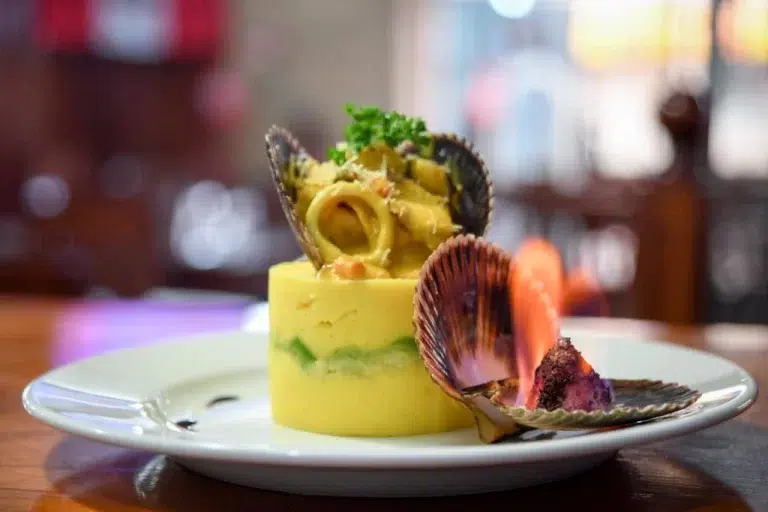
The Richness and Luxury of Peruvian Cuisine
Discover the richness of Peruvian cuisine, where diverse flavors, ancestral traditions, and modern innovation create a world-renowned gastronomic experience.
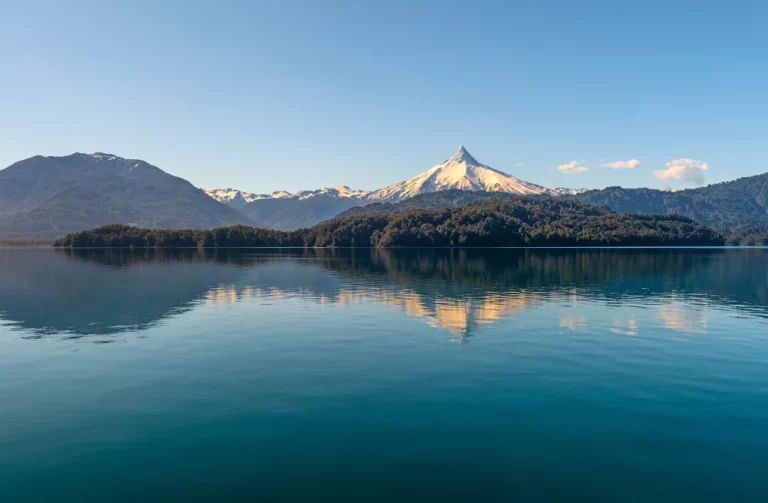
Discover a 10-Day Luxury Itinerary in Chile: Nature, Culture, and Unparalleled Comfort
Experience 10 days of luxury in Chile, where breathtaking landscapes, fine dining, and curated adventures blend into an unforgettable journey.