
Weaving the Journey Together: How to Organize a Group Visit to Machu Picchu
Andrea
-
June 25, 2025
From Mainland to Magic: How to get to the Galapagos Islands.
How to get to the Galapagos Islands begins with eco-screening, followed by island hopping, cruises, and
A Romantic Odyssey: Three Perfect Days in Quito for Honeymooners
Discover Quito’s romantic charm with a 3-day honeymoon filled with colonial beauty, Andean views, fine dining,

The first glimpse of Machu Picchu tends to silence even the most talkative travelers. The emerald slopes of the Andes, the stone ruins bathed in mist, and the ancestral energy that radiates from the site do more than inspire awe—they unify a group through shared wonder. But reaching this moment, especially when coordinating a group, requires far more than just enthusiasm. Visiting Machu Picchu in a group involves strategic planning, an understanding of Peru’s rhythms, and an appreciation for the cultural and logistical intricacies of this world-renowned heritage site.
Travelers who embark on a Machu Picchu group tour don’t just visit a monument—they participate in a collective pilgrimage. Whether the group is composed of family members, students, hikers, or curious minds from around the globe, each member brings their expectations. And the task of weaving those expectations into a seamless journey is a delicate one. Group trips to Machu Picchu offer unmatched camaraderie, but they also demand thoughtful coordination to ensure the experience is more enlightening than exhausting.
The starting point is usually Cusco, a city that’s more than a gateway—it’s a destination in itself. Altitude tips for Machu Picchu almost always begin here. Sitting at over 11,000 feet above sea level, Cusco requires visitors to slow down, hydrate well, and allow the body to adjust. This is particularly important for group travelers, where varied ages and fitness levels mean not everyone will acclimate at the same pace. Taking time to explore the cobbled streets, vibrant markets, and colonial plazas of Cusco is not just pleasurable—it’s practical.

From Cusco, the Sacred Valley serves as both a scenic route and an insightful introduction to Incan history. Sacred Valley group tours often reveal a quieter, more agricultural side of Andean life. Places like Pisac and Ollantaytambo allow group travelers to bond as they explore ruins and artisanal markets in picturesque surroundings. These sites are not just warm-up acts; they’re essential chapters in understanding the Inca civilization’s brilliance, making the eventual arrival at Machu Picchu all the more meaningful.
Logistics begin to intensify here. Machu Picchu travel logistics involve securing train tickets, accommodations, and entrance permits well in advance—especially for groups. The train to Machu Picchu for groups is a journey that adds comfort and scenic beauty to the adventure, but space is limited and often booked months ahead. Timing is crucial for group travel to Peru, especially considering the country’s seasonal tourism surges and the regulations governing access to Machu Picchu.
Machu Picchu entrance regulations are strictly enforced to maintain the site’s integrity. The citadel forces limits on the number of daily visitors, specific entry time slots, and designated circuits. Machu Picchu tickets for groups must reflect these rules. Organizers must plan how to split the group, how guides will accompany them, and how to respect the environment and other travelers. Travel agencies for Machu Picchu can be indispensable partners here, as they understand how to synchronize logistics with local policies.

Then comes the decision every group must make: whether to hike or not. The Inca Trail group hike is perhaps the most iconic way to approach Machu Picchu, offering four days of unparalleled natural beauty and historical immersion. But it’s not for every group. The trek requires permits that often sell out months in advance and a physical readiness not all travelers may share. Alternatives like the Salkantay Trek, the Lares route, or simply arriving by train offer flexibility without compromising the grandeur of the final destination. Machu Picchu hike planning becomes an exercise in balancing ambition with realism.
No matter the route, once the group arrives at the gates of Machu Picchu, the sense of arrival is profound. Having a local guide—one versed in Machu Picchu group guide services—is essential. Their stories breathe life into the stones and terraces, connecting visitors to the spiritual and architectural marvels around them. This guide isn’t just a narrator; for groups, they’re a translator of emotions, a coordinator of pace, and often, a keeper of the group’s energy.
Machu Picchu group itinerary design must also account for more than just site entry. Breaks, photo stops, and moments of quiet reflection are crucial. A well-paced visit includes time to absorb the place, not just photograph it. It should accommodate the slow walker and the eager climber, the history buff and the casual tourist alike. The magic of a successful group trip lies in inclusivity, not speed.
Behind the scenes, Machu Picchu trip coordination may involve multiple agencies—transport companies, hotel staff, ticketing offices, and bilingual guides. The coordination can feel labyrinthine, which is why many opt to work with experienced operators who specialize in Machu Picchu group travel. They manage not just the reservations but also the subtle moments: the boxed breakfast waiting at dawn, the group permit stamped and ready, the luggage seamlessly transferred from Cusco to Aguas Calientes and back.
Each group brings its personality. Some are boisterous and lively, others quiet and contemplative. Some are family reunions, others are university programs or hiking clubs. Regardless of background, group travel to Machu Picchu transforms everyone. There’s something about standing together at the edge of the Sun Gate or watching clouds part over the citadel that fosters a kind of emotional communion.

Along the way, the group travel checklist becomes more than a document. It evolves into a reflection of anticipation, responsibility, and shared purpose. From reminding travelers to pack ponchos and sunscreen to confirming train schedules and dietary restrictions, each ticked box brings the group closer to their goal.
It’s important, too, to be prepared for the unpredictable. Peru’s weather can be capricious, and transportation hiccups are not unheard of. But the real key to a successful group experience isn’t flawless execution—it’s flexibility and shared goodwill. When the train is delayed or the rain pours unexpectedly, it’s the spirit of the group that determines whether the day is ruined or transformed into a story.
In the end, the reward is more than a photograph of Machu Picchu. It’s the memory of voices echoing through the stone corridors, of laughter, shared on the terraces, of tired but joyful faces aboard the return train. It’s the knowledge that you didn’t just visit a wonder of the world—you arrived there together, step by coordinated step.
For those considering this journey, the message is clear: organizing a group visit to Machu Picchu is entirely possible—and deeply rewarding—when approached with care, research, and a collaborative spirit. The combination of cultural depth, natural grandeur, and logistical complexity makes it one of the most memorable group experiences anywhere in the world. With thoughtful Machu Picchu group tour planning and an appreciation for the ancient path ahead, the adventure becomes more than a trip. It becomes a shared legacy.
Journey histories
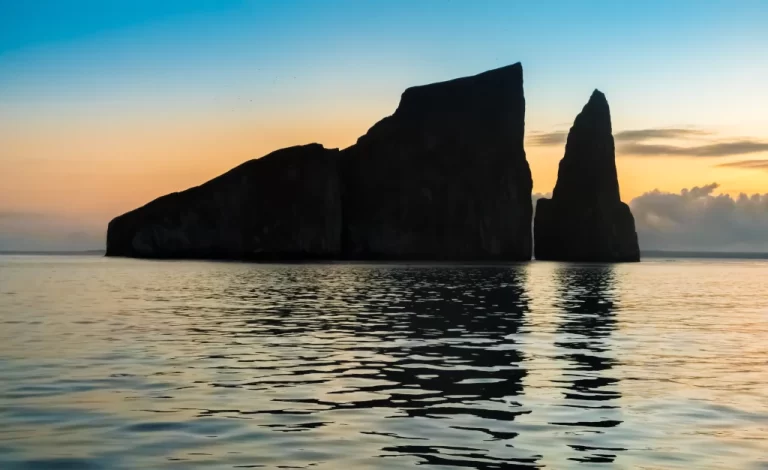
The Difference Between Cruise or Land Travel in Galapagos: A Story of Two Journeys
Cruise or land? Discover how each Galápagos travel style offers unique wildlife, culture, and adventure experiences.
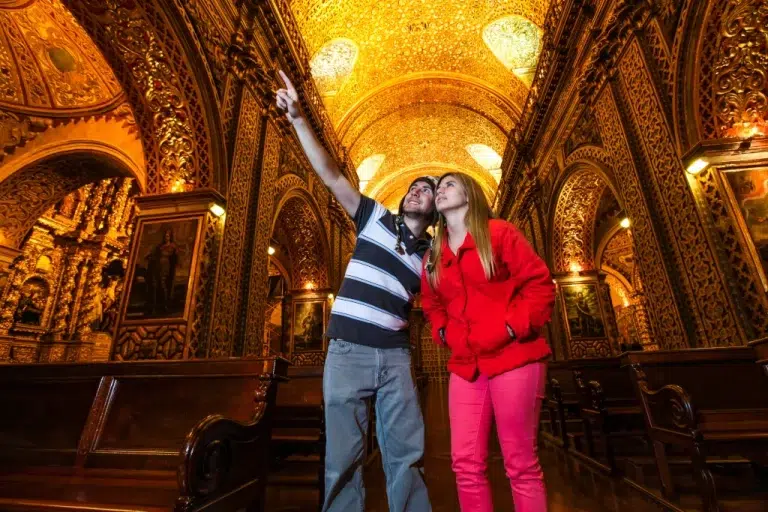
A Romantic Odyssey: Three Perfect Days in Quito for Honeymooners
Discover Quito’s romantic charm with a 3-day honeymoon filled with colonial beauty, Andean views, fine dining, and unforgettable moments.