
Trekking in Style: The Hidden Luxury of Sajama National Park, Bolivia
Erika
-
June 9, 2025
Hiking in Tayrona National Natural Park: A Luxury Experience in Nature’s Embrace
Discover luxury hiking in Tayrona Park—exclusive trails, eco-lodges, and cultural immersion in Colombia’s Caribbean paradise.
Exploring the Carretera Austral in Luxury: A Journey Through Patagonia’s Soul
Travel the Carretera Austral in style—luxury lodges, gourmet dining, and soul-stirring landscapes in Chilean Patagonia await.

High in the altiplano of western Bolivia lies one of South America’s most underrated natural treasures: Sajama National Park. Dominated by the snowcapped peak of Nevado Sajama—Bolivia’s tallest mountain at 6,542 meters—the park is a place of raw beauty, ancient culture, and unexpected comfort. While trekking in Sajama may not immediately evoke the glamour of a five-star lodge or infinity pool, it offers a different kind of luxury: peace, authenticity, and an immersive connection to both nature and culture.
For those seeking a trekking adventure that combines physical challenge with meaningful experiences and surprising comfort, Sajama delivers.
Where Rugged Wilderness Meets Tranquil Sophistication
Let’s be clear: Sajama National Park is remote. Located in the Oruro department near the Chilean border, it’s a good 4–5 hour drive from La Paz along paved and gravel roads. But this very remoteness is part of what makes the experience so luxurious. There’s no traffic noise, no crowds, no rush—only wide-open landscapes, silent starry nights, and the slow rhythm of life lived close to the earth.
That’s the first layer of luxury here: privacy and serenity, which are increasingly rare commodities in today’s over-touristed destinations.

Trekking Routes for the Soul (and the Senses)
Sajama offers a variety of trekking experiences, from day hikes to multi-day circuits around the base of Nevado Sajama. While technical climbing requires mountaineering skills and permits, trekking routes are accessible and can be tailored to suit intermediate hikers with proper acclimatization.
Some of the highlights include:
- Laguna Huayna Khota trek: A peaceful, scenic route to a shallow lake surrounded by grasses and flamingos.
- Geysers and Hot Springs trail: A gentle loop that leads to natural geysers and thermal baths nestled in the open plains.
- Polylepis Forest hike: Trek into one of the world’s highest-altitude forests, home to endangered flora and quiet birdlife.
Ajoya village route: A cultural trek through pre-Columbian burial towers and centuries-old churches.
Every step offers stunning views: vast altiplano expanses, grazing llamas and alpacas, distant volcanic peaks, and dramatic Andean skies. It’s not just about the destination; it’s about walking in silence and wonder through one of Bolivia’s most sacred landscapes.
Unexpected Comfort in the High Andes
Trekking in Sajama doesn’t mean sacrificing comfort. While you won’t find luxury resorts, you will find small-scale, community-run accommodations that offer charm, cleanliness, and warmth—both literally and figuratively.
In the village of Sajama, local families host travelers in guesthouses and eco-lodges made of adobe and stone. Rooms often feature private bathrooms, cozy beds with thick blankets (essential at over 4,000 meters altitude!), and simple yet hearty meals cooked with fresh local ingredients.
Some lodges now offer:
- Solar-heated showers
- Wood-fired hot tubs or access to nearby thermal springs
- Homemade bread and traditional Bolivian stews
- Personalized guiding services by local experts
This combination of rustic elegance and personalized hospitality creates a low-key, authentic luxury. You’re not a tourist—you’re a welcomed guest.
Hot Springs and Healing Waters
After a long day of trekking, there’s nothing quite like soaking in the natural thermal baths of Sajama under an open sky. Unlike crowded spas elsewhere, here you might have a pool entirely to yourself, with views of llamas grazing in the distance and snowcapped peaks glowing at sunset.
The waters, rich in minerals, are naturally heated by geothermal activity and said to relieve joint pain and fatigue—perfect for tired legs and chilly evenings. For many travelers, this becomes the highlight of the experience, a perfect blend of nature, comfort, and well-being.

Culture as Part of the Journey
Luxury is also about enrichment—experiencing something that deepens your understanding of the world. Sajama is not just a natural wonderland; it’s a living cultural landscape, home to Aymara communities who have lived in harmony with this harsh environment for centuries.
Trekking routes often pass by:
- Pre-Columbian chullpas (funerary towers), testaments to ancient beliefs and practices.
- Colonial-era adobe churches, like the one in Curahuara de Carangas, with painted interiors that have earned it the nickname “the Sistine Chapel of the Andes.”
- Traditional Aymara homes, where visitors can observe weaving, herding, and agricultural practices still used today.
Many hosts are happy to share stories, offer herbal teas, or explain the traditions that shape life in Sajama. This cultural connection, done with respect and sincerity, adds a depth to trekking that few luxury experiences can match.
Stars, Silence, and a Sense of Scale
At night, Sajama becomes a sanctuary of silence and stars. With no light pollution and dry, high-altitude air, the Milky Way stretches across the sky in sharp, mesmerizing clarity. Step outside your room after dinner, wrapped in a poncho or wool blanket, and look up—you may forget to go back inside.
In our often-overstimulated lives, the quiet luxury of stillness becomes all the more precious. It’s the kind of peace that isn’t bought or staged—it’s simply there, waiting for you to slow down enough to feel it.

Planning Your Visit
To fully enjoy Sajama, here are some helpful planning tips:
- Acclimatize: Spend at least two days in La Paz or other high-altitude locations before trekking. The elevation is no joke.
- Book in advance: While not overrun with tourists, accommodations are limited, and some guesthouses only take reservations by phone or through local operators.
- Hire a local guide: Not only for safety and navigation, but also to enrich your experience with cultural and environmental insights.
- Travel responsibly: Bring reusable water bottles, minimize plastic, and respect local customs.
A typical visit might include 3–5 days, allowing time to explore, relax, and soak in the surroundings—literally and figuratively.
Final Thoughts: A Different Kind of Luxury
Sajama National Park is not for those chasing butlers or crystal chandeliers. It’s for those seeking beauty in simplicity, exclusivity in remoteness, and luxury in authenticity. You don’t need marble bathrooms to feel indulgent here; a handwoven blanket, a bowl of quinoa soup, and a private thermal bath under the stars will do just fine.
If you’re looking for a trekking experience that feeds your soul, challenges your body, and offers the kind of restorative peace only the high Andes can provide, Sajama is waiting.
And in a world full of noise, that kind of silence is the ultimate luxury.
Journey histories
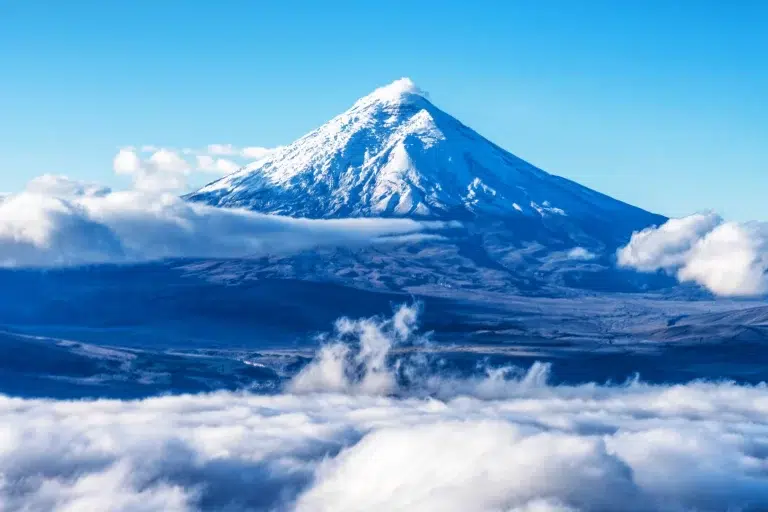
Ecuador: A Luxury to Experience
Ecuador’s luxury blends adventure and comfort, from Quito’s colonial charm to the Galapagos, with private guides, gastronomy, and rich culture.
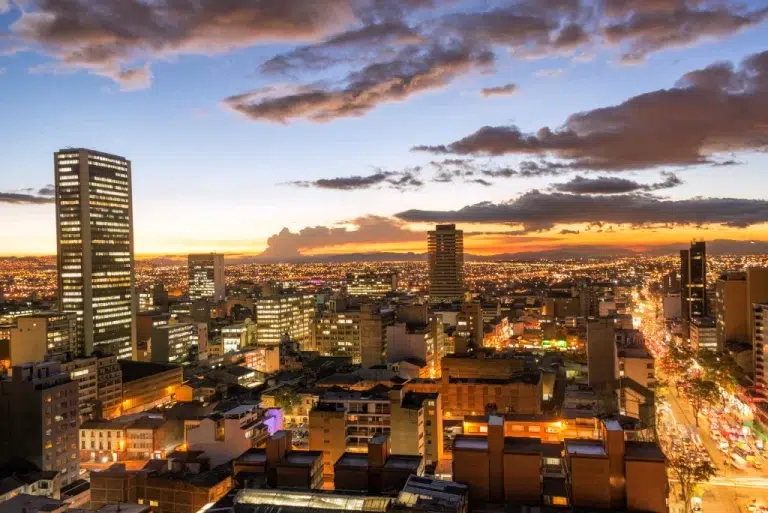
The Beginner’s Guide to Solo Travel in Colombia: A Story of Going Alone, and Finding So Much More
Solo travel in Colombia is an adventure of connection, safety, and discovery, where vibrant culture and breathtaking landscapes welcome explorers