
Green Patagonia: Sustainable Advances in the Magallanes Region
Erika
-
May 20, 2025
The Magallanes and Chilean Antarctica Region, often referred to simply as Magallanes, is the southernmost tip of Chile and a land of striking natural beauty, from expansive glaciers and rugged mountains to pristine lakes and windswept plains. Historically known for its remote wilderness and challenging climate, this region is now emerging as a notable hub for sustainable development, driven by innovative projects and a growing commitment to environmental preservation. In this article, we will explore the recent sustainable advances in the Magallanes region, highlighting the efforts, achievements, and ongoing initiatives that position it as a model of green development in Patagonia.

The Context: Magallanes and Its Unique Environment
Magallanes covers an extensive area of approximately 132,297 square kilometers and includes iconic destinations such as Torres del Paine National Park, the southern fjords, and the Patagonian steppe. Its ecosystems are fragile, hosting diverse flora and fauna, including the Andean condor, guanacos, and the endangered huemul deer. The region’s climate, characterized by strong winds and low temperatures, has historically made development challenging, but it has also fostered a culture of resilience and adaptation.
The Need for Sustainability
As tourism, agriculture, and energy projects expand, concerns about environmental impact have grown. The region’s ecosystems are sensitive to pollution, habitat disruption, and resource depletion. Recognizing this, regional authorities, local communities, and private enterprises have increasingly prioritized sustainability to balance economic growth with ecological health.

Renewable Energy Initiatives
One of the most significant advances in Magallanes has been the development of renewable energy projects, notably wind and solar power. The region’s strong and consistent winds—among the highest in the world—present an ideal opportunity for wind energy. The Cerro Sombrero Wind Farm, inaugurated in recent years, has become a flagship project, contributing significantly to the local power grid and reducing reliance on fossil fuels.
Similarly, solar energy projects are gaining traction, with installations on the outskirts of Puerto Natales and Punta Arenas. These initiatives aim to provide clean energy to local communities, reduce greenhouse gas emissions, and promote energy independence in a region where traditional energy sources are often costly and environmentally damaging.
Sustainable Tourism Practices
Tourism is a vital economic activity in Magallanes, especially in destinations like Torres del Paine, known globally for its breathtaking landscapes. Recognizing the environmental pressures caused by increasing visitor numbers, local operators and authorities have adopted sustainable tourism practices.
Efforts include implementing visitor caps to prevent over-tourism, promoting eco-friendly accommodations, and encouraging responsible behavior among tourists. Several lodges and tour operators have obtained certifications for sustainable tourism, emphasizing waste reduction, water conservation, and wildlife protection.
Moreover, educational programs are being designed to raise awareness about conservation issues among visitors. The goal is to ensure that tourism continues to be an engine of economic development without compromising the region’s ecological integrity.

Conservation and Reforestation Efforts
Beyond energy and tourism, conservation initiatives are playing a crucial role in regional sustainability. Several protected areas have been established or expanded to safeguard habitats and species. For example, the Alberto de Agostini National Park and surrounding reserves are critical for the preservation of glaciers, marine environments, and terrestrial ecosystems.
Reforestation projects have also been launched to restore native vegetation that was historically cleared for agriculture or affected by climate change. These efforts help maintain biodiversity, improve soil stability, and contribute to carbon sequestration.
Community Engagement and Indigenous Rights
A sustainable future in Magallanes depends on inclusive development that respects local communities and indigenous peoples. The Kawésqar and Yaghan peoples have historically inhabited parts of the region, and their knowledge and practices are increasingly recognized as vital components of conservation and sustainable resource use.
Community-led initiatives focus on sustainable fishing, traditional crafts, and eco-tourism, empowering local populations to participate actively in regional development while preserving their cultural heritage.

Challenges and Future Outlook
Despite these positive advances, challenges remain. The remoteness of Magallanes complicates infrastructure development and increases costs for renewable projects. Additionally, climate change poses risks such as glacial retreat and ecosystem shifts, which require adaptive strategies.
Looking ahead, continued investment in renewable energy, sustainable infrastructure, and environmental education will be crucial. Collaboration among government agencies, private sector, academia, and local communities will drive innovation and ensure that development aligns with ecological preservation.
Conclusion
The Magallanes region exemplifies how remote and challenging environments can adopt sustainable practices that benefit both the economy and the environment. Through renewable energy projects, responsible tourism, conservation efforts, and community engagement, Magallanes is carving a path toward a greener future—truly embodying the spirit of Green Patagonia.
As these initiatives mature and new innovations emerge, Magallanes stands as a testament to the potential of sustainable development in Patagonia. Its progress offers valuable lessons for other regions facing similar environmental and economic challenges, demonstrating that with commitment and cooperation, a sustainable and resilient future is achievable in even the most remote corners of the Earth.
Latest Newsletters
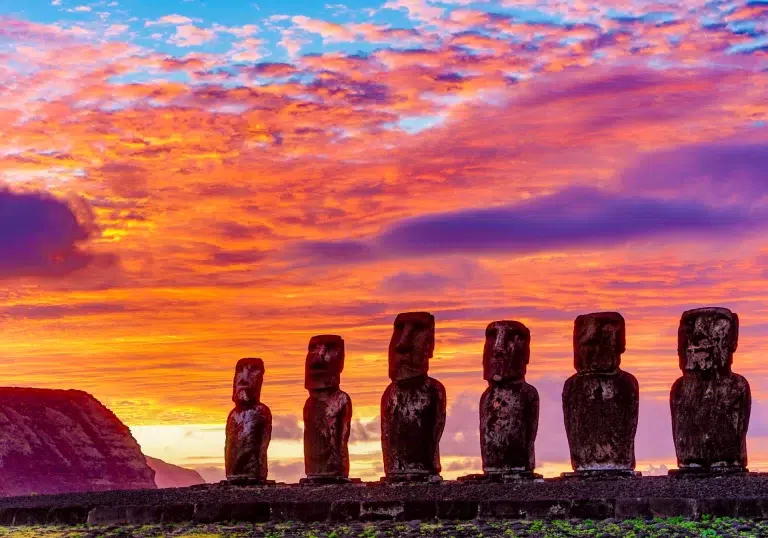
First Quarter GDP Confirms Tourism’s Key Contribution to the Chilean Economy
Tourism drives Chile’s economy, fueling growth in hospitality, transportation, and local industries, as confirmed by Q1 GDP data.
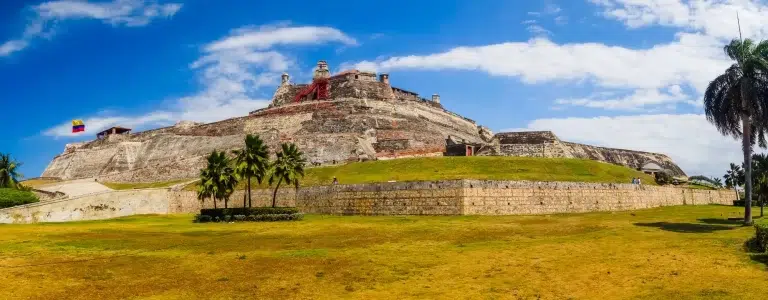
Colombia Invests in Regional Airstrips to Boost Emerging Tourism Destinations
Colombia upgrades regional airstrips to boost tourism, enhancing accessibility to emerging destinations while promoting sustainable travel.