Galapagos takes a step forward in waste management

Erika

-

February 20, 2025

Protecting Galapagos: A commitment to the circular economy

In an effort to preserve the fragile ecosystem of the Galapagos archipelago, the Governing Council of the Galapagos Special Regime (Cgreg) and the Ecuadorian Lubricants Association (APEL) have signed an important agreement for the responsible management of hazardous waste.

This agreement, based on Recoil’s circular economy model, aims to collect, transport, and properly treat used lubricant oils, their empty containers, and other waste contaminated with hydrocarbons. This initiative seeks to minimize the environmental impact and ensure the sustainability of one of the world’s most valuable natural heritages.

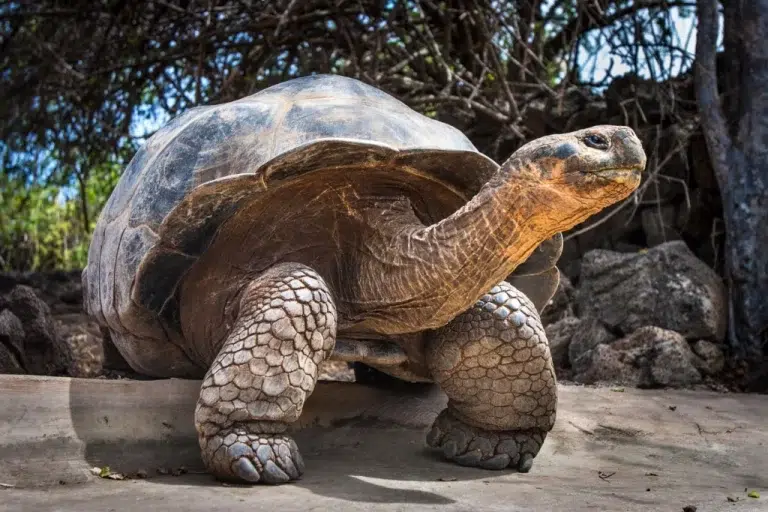
The Galapagos archipelago, recognized by UNESCO as a Natural World Heritage Site, is home to iconic endemic species such as giant tortoises and Darwin’s finches. However, its ecological balance faces constant threats, such as unregulated tourism and pollution. Implementing innovative waste management systems will help mitigate these risks.

In the past two years, Recoil has managed to remove more than three tons of used lubricating oil containers on the islands. This new agreement, which will last 24 months, is expected to increase this figure and strengthen sustainable practices in the region.

The Minister of Environment, Inés Manzano, highlighted the importance of this type of initiatives, pointing out that the balance between humans and the environment is essential for common well-being.

With this commitment, Galápagos reaffirms its role as a natural laboratory for scientific research and environmental conservation. This agreement marks a significant step in the search for a sustainable future for the archipelago.

Galapagos Waste Management Firm

Waste management in the Galapagos Islands is a crucial challenge due to the fragility of its ecosystem and the increasing pressure from tourism and the resident population. In order to minimize environmental impact and promote a sustainable model, local authorities, together with environmental organizations and the community, have implemented a waste management system that seeks to reduce, reuse, and recycle waste generated in the archipelago.

Regulatory Framework and Strategies Implemented

Waste management in Galapagos is regulated by national and local regulations, including the Organic Law of the Special Regime of Galapagos and the Solid Waste Management Plan. These regulations establish strict guidelines on the separation, collection, and final disposal of waste.

Among the strategies implemented are the following:

– Separation at source: Waste sorting into organic, recyclable and non-recyclable waste is encouraged, both in households and in commercial and tourist establishments.

– Collection and recycling centers: The main islands have facilities for receiving and processing recyclable materials such as glass, plastics and metals.

– Reduction of single-use plastics: Restrictions on the import and use of disposable plastics have been implemented, promoting reusable alternatives.

– Education and awareness-raising: Campaigns aimed at residents and tourists seek to promote responsible waste management practices.

– Transportation and proper disposal: Some waste must be transported outside the archipelago for processing because of the lack of local infrastructure for certain types of waste.

Challenges and Future Prospects

Despite progress, waste management in Galapagos faces challenges such as increased waste generation, the logistics of transporting waste off the islands, and the need for greater investment in sustainable infrastructure.

In the future, it is hoped to strengthen circular economy policies, encourage innovation in waste treatment, and continue cooperation between public and private institutions and the community to ensure the conservation of this unique ecosystem.

Latest Newsletters