
A New Chapter for Bolivia’s Iconic Festival
What’s Changing at Bolivia’s Most Beloved Festival in 2025
Andrea
-
July 2, 2025
Dear travelers, culture lovers, and friends of Bolivia,
The rhythm of drums, the echo of brass, and the shimmer of sequins sweeping across cobbled streets—La Fiesta Paceña has long been a dazzling celebration of Bolivia’s cultural heartbeat. Held each year in La Paz, this iconic festival is known for its explosion of music, folkloric dance, street theater, and a contagious energy that flows from the city’s historic center to the surrounding mountains.
But this year, as Bolivia faces one of the most challenging economic periods in recent memory, the festival is undergoing a transformation that few expected—one that replaces grandeur with grounding, excess with essence, and spectacle with substance.
Bolivia’s Ministry of Cultures, Decolonization, and Depatriarchalization announced earlier this month a significant redesign of the beloved Paceña Festival. Under the theme “Volver a lo Nuestro” (Back to Our Roots), the 2025 edition of the festival promises to be a more introspective, community-focused celebration in response to the country’s deepening economic crisis.
So, what can locals and tourists expect from this new version of the Paceña Festival? Let us take you behind the scenes of a Bolivia determined to celebrate not with extravagance, but with meaning.

Austerity Wrapped in Resilience
In years past, the Paceña Festival has been a kaleidoscope of national pride—massive stages were erected in city plazas, orchestras arrived from distant regions, and artists competed to outshine one another in parades that stretched for kilometers. But in 2025, budget cuts have shifted priorities.
Rather than cancel the festival entirely, government officials and cultural leaders made a bold choice: preserve the soul of the event while stripping away its financial excess.
This means no big-name performers, no imported special effects, and no million-dollar advertising campaigns. But what remains—indeed, what is now front and center—is the local community.
Neighborhood associations, indigenous councils, rural dance collectives, and artisan cooperatives have stepped in to fill the space left behind by commercial sponsors and elite troupes. Without flashy lights and commercial promotions, the authenticity of Bolivia’s diverse cultures will shine more clearly than ever.
From Corporate to Communal: A Change in Ownership
In previous editions, major breweries, telecom companies, and private banks competed for top billing as festival sponsors. But this year’s shift has been intentional: no corporate branding will dominate public spaces.
Instead, the plazas of La Paz will showcase exhibitions of Aymara textile art, workshops on Andean medicine, and communal food offerings prepared by neighborhood groups. Local radio stations will broadcast live from community centers rather than exclusive VIP zones. The streets, once monopolized by floats and fireworks funded by corporate marketing departments, will instead host elders telling ancestral stories, children performing masked dances, and families selling homemade food.
This return to simplicity is not just a response to economic hardship—it is a conscious effort to reclaim Bolivia’s cultural narrative from consumerism. And the response from locals has been overwhelmingly positive.

Tourists Welcome: A Different Kind of Immersion
For international visitors who’ve dreamed of experiencing the Paceña Festival’s traditional flair, the 2025 version may come as a surprise—but not a disappointment.
Rather than staying behind barricades watching choreographed dances from grandstands, tourists will find themselves invited into patios, courtyards, and kitchens. Small walking tours led by local university students offer historical and cultural insights. Families open their homes to share api and buñuelos at dawn. And performances are held in unconventional spaces: church courtyards, school halls, and markets pulsing with everyday life.
This year is less about the spectacle, and more about the story behind every dance, song, and mask. For visitors willing to participate, rather than just observe, the festival becomes an intimate cultural exchange.
No More Alcohol-Fueled Nights—And That’s on Purpose
Another major change for 2025 is the strict limitation on alcohol sales. In a city where beer—especially the beloved Paceña lager—has often flowed freely during celebrations, this year’s decision has stirred some debate.
But according to La Paz’s municipal officials, this is a deliberate move toward a healthier, safer, and more family-friendly environment. Public intoxication has long been a challenge during major festivals, often leading to conflicts, accidents, and even cultural disrespect. This year, only local chicherías (fermented corn beer vendors) with cultural permits will be allowed to operate, and under strict regulations.
The mood in the city is expected to be more reflective, and less rowdy. Late nights may be quieter, but mornings will be richer in storytelling, music, and community rituals.

Art in the Time of Crisis
While the festival may be austere in its infrastructure, it is not lacking in creativity. Many artists are using this moment to produce politically resonant and emotionally profound work.
At the Municipal Museum of Contemporary Art, an exhibition titled “Bailamos Aunque Duela” (We Dance Even When It Hurts) presents installations and performance art that explore the intersection of poverty, resilience, and national identity. Meanwhile, spoken-word poets are taking to the streets to express how economic challenges affect ordinary lives—and how dance and music become tools of resistance.
It’s a stark reminder that Bolivia’s cultural output does not wither in hardship—it evolves.
Reinventing Tradition, Not Replacing It
For those who feared that a “simplified” festival might mean a watered-down one, this year’s preparations tell another story. The Diablada dancers will still twirl through the streets, the Caporales still stomp in perfect rhythm, and the traditional costumes) will still shimmer in Andean sunlight—though this year, many of them are repaired, reused, or donated rather than brand-new.
The music will still echo through the canyons of La Paz. But instead of relying on imported sound systems, community orchestras, and youth brass bands will carry the melodies forward.
This festival isn’t about abandoning tradition. It’s about shedding the unnecessary weight and allowing Bolivia’s ancestral spirit to walk lighter—and more clearly—into the future.

A Lesson in Celebration
There’s a lesson for the world here, in Bolivia’s bold reimagining of its most beloved celebration. Festivals do not need to bankrupt governments or pander to corporations to be meaningful. Cultural pride is not measured in pyrotechnics, but in participation.
For tourists, this year’s Paceña Festival offers something rare: a chance to witness cultural authenticity in its rawest form, unfiltered by commercial gloss. For locals, it’s an opportunity to realign celebration with solidarity, art with purpose, and festivity with reflection.
As Bolivia navigates its economic crossroads, it is not surrendering its joy—it is reshaping it.
So if you’re planning a trip to La Paz this July, bring an open heart, a curious spirit, and perhaps a reusable cup for chicha. The festival may be “austere,” but its soul is more alive than ever.
Celebrating the pulse of Latin America, one story at a time.
If you’re interested in travel experiences that connect you deeply with local cultures—especially during transformative times—reach out to our team. We’re here to help you find ethical, immersive journeys across Bolivia and beyond.
Latest Newsletters
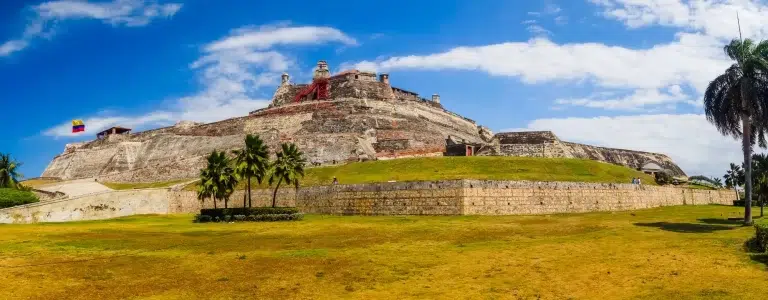
Colombia Invests in Regional Airstrips to Boost Emerging Tourism Destinations
Colombia upgrades regional airstrips to boost tourism, enhancing accessibility to emerging destinations while promoting sustainable travel.

Green Patagonia: Sustainable Advances in the Magallanes Region
Discover Magallanes’ sustainable advances in Patagonia, from renewable energy to eco-tourism, shaping a greener future for the region.