
Colombia: A Rising Star in Gastronomic Luxury Travel
For the Gourmand World Cookbook Awards
Erika
-
June 16, 2025
Colombia is increasingly captivating the attention of culinary travelers around the world—not with grand gestures or ostentatious displays, but with authenticity, cultural depth, and a quiet confidence born of centuries-old food traditions meeting contemporary creativity. For those pursuing luxury travel with a strong focus on gastronomy, Colombia offers something rare: a dynamic culinary identity that is still unfolding, rooted in diverse ecosystems and regional cultures, yet elevated by world-class chefs, boutique hotels, and farm-to-table experiences that are as intimate as they are refined.
This is a country where biodiversity and cultural plurality—two of its defining traits—converge on the plate. And today, Colombia’s top restaurants, culinary destinations, and gastronomic journeys are catching the eyes of the international luxury travel market and respected institutions such as the Gourmand World Cookbook Awards.

A Culinary Landscape Defined by Diversity
Colombia is a land of contrasts. Its six major regions—Caribbean, Pacific, Andean, Amazon, Orinoquía, and Insular—each have distinct culinary identities shaped by geography, climate, and heritage. In the north, Caribbean cities like Cartagena and Santa Marta are home to dishes infused with African, Arab, and Indigenous influences. On the Pacific coast, bold flavors of seafood mingle with coconut, chontaduro, and herbs native to the rainforest. In the highlands of the Andes, earthy comfort foods and complex soups reflect the traditions of Colombia’s interior, while in the Amazon, Indigenous knowledge transforms little-known fruits, roots, and proteins into deeply meaningful meals.
For luxury travelers, this diversity is not just seen—it’s tasted, experienced, and often explained in detail by chefs, food historians, or local hosts. Culinary exploration in Colombia is immersive, but never overwhelming; it’s educational, but always sensorial.
Quito's Unique Position in Ecuador's Health Landscape
Perched at 2,850 meters (9,350 feet) in the Andean mountains, Quito enjoys natural protection against yellow fever transmission. The disease-carrying Aedes aegypti mosquito cannot survive at the capital’s elevation, making the city itself a virtually risk-free zone. This geographical advantage, combined with the new nationwide vaccination policy, reinforces Quito’s status as both a culturally rich and medically low-risk gateway to Ecuador’s wonders.
The vaccination requirement takes on greater importance for travelers planning to visit lower elevation regions after exploring Quito. Popular destinations like the Amazon rainforest, cloud forests of Mindo, and Pacific coastal areas including Guayaquil all present potential exposure risks that make the vaccination essential. Health officials emphasize that the certificate check upon arrival provides the most effective way to ensure protection before travelers disperse to these varied ecosystems.

Bogotá: The Epicenter of Contemporary Colombian Cuisine
Bogotá, Colombia’s capital, has emerged as a culinary powerhouse. With its high altitude and cool climate, it’s the perfect setting for elegant dining and slow-food experiences. Restaurants such as Leo, led by internationally acclaimed chef Leonor Espinosa, exemplify the country’s culinary evolution. At Leo, each dish is a narrative woven from ethnobotany, anthropology, and ancestral memory. The restaurant offers a tasting menu that traverses Colombia’s regions through rare ingredients like cacay nut, mambe, or pirarucú, sourced directly from Indigenous and Afro-Colombian communities.
Dining at Leo is a luxury experience not in the traditional sense of crystal and gold, but through its curatorial rigor, environmental ethics, and cultural impact. Espinosa’s work has garnered global recognition not just for her culinary skills but for her advocacy, making her restaurant a must-visit for high-end travelers who value substance with their style.
Other Bogotá establishments such as El Chato, Villanos en Bermudas, and Salvo Patria have also earned international acclaim. These restaurants blend modern techniques with Colombian terroir, presenting dishes in beautiful minimalist settings and offering wine pairings that include lesser-known Latin American labels or artisanal Colombian spirits like viche or aged aguardiente.
For luxury travelers, private dining experiences are also available in Bogotá’s historic mansions or contemporary art galleries, curated by local chefs and sommeliers. These events often include live music, art exhibitions, or storytelling that connects each dish to Colombia’s natural or cultural heritage.
Cartagena: Heritage and the Sea
In Cartagena de Indias, luxury gastronomy meets the magic of colonial architecture and Caribbean hospitality. This UNESCO World Heritage city has long attracted the world’s elite, and today it offers an exceptional culinary scene that bridges the traditional and the avant-garde.
Carmen Cartagena, the sister restaurant of its Medellín counterpart, is a fine example. Set in a beautifully restored colonial house, Carmen fuses Colombian coastal ingredients with global techniques, creating tasting menus that include lionfish ceviche (promoting sustainable fishing), coconut and tamarind-glazed octopus, or duck served with plantain and native fruits.
Travelers seeking a deeper connection to local culture can opt for luxury food tours that include visits to Bazurto Market—a bustling maze of smells, textures, and flavors—with private guides who translate the experience into a deeper understanding of Afro-Caribbean food culture. These tours often end with private cooking classes in mansions overlooking the Caribbean Sea, led by local chefs or matriarchs preserving family recipes.
For those who prefer open air and exclusivity, private yacht charters include curated onboard menus featuring fresh lobster, red snapper, and tropical fruit cocktails prepared by on-board chefs. Sunset dinners on the Rosario Islands, a short boat ride away, offer a serene and indulgent way to experience Colombia’s maritime bounty.

Medellín: Innovation Meets Tradition
Medellín, once known for its turbulent past, has undergone a remarkable transformation and now represents innovation, resilience, and sophistication. Its food scene reflects that spirit. Top restaurants such as Oci.Mde, In Situ, and ElCielo are redefining Colombian cuisine with refined tasting menus, molecular techniques, and locally sourced ingredients from the surrounding Antioquia region.
ElCielo, by chef Juan Manuel Barrientos, is particularly notable. With Michelin-starred outposts in Miami and Washington, ElCielo Medellín offers a theatrical dining experience that involves not just taste, but touch, scent, and emotion. One of its signature rituals involves washing your hands in chocolate—a playful yet elegant gesture that sets the tone for a multisensory meal.
Luxury travel in Medellín also includes experiences like helicopter tours over coffee farms in nearby Jardín or Sonson, where guests can enjoy private cuppings and gourmet lunches served amid coffee groves. Some haciendas even offer overnight stays with chef-prepared meals and guided walks through cloud forests or cacao plantations.
The Coffee Region: Colombia’s Slow Food Paradise
The Coffee Cultural Landscape, a UNESCO World Heritage Site, is perhaps the country’s most iconic culinary region. Here, the luxury of food lies in its slowness, its rootedness, and its connection to the land. Boutique haciendas like Hacienda Bambusa or Casa San Agustín’s countryside sister property, San Rafael, offer curated stays where guests can learn about coffee cultivation, roast their own beans, and enjoy farm-to-table meals under the stars.
Colombian coffee is world-renowned, but few understand the complexity of its production until they’ve traced its journey from bean to cup in this region. Luxury experiences include private tastings with expert baristas, pairing sessions with dark chocolates or aged cheeses, and visits to artisanal coffee cooperatives that are committed to sustainable practices.
Beyond coffee, the region offers hearty dishes such as trucha al ajillo (garlic trout), sancocho (a slow-cooked soup), or arepas de chócolo served with fresh cheese—all prepared with organic ingredients harvested on-site or nearby. Meals are often accompanied by local wines or craft beers made in small-scale mountain breweries.

Conclusion: A Gastronomic Identity in Bloom
Colombia is not trying to mimic the gastronomic capitals of the world—it is forging its own path. With a culinary identity that is confident, complex, and rooted in authenticity, Colombia now offers discerning travelers a chance to experience luxury that is not just about Michelin stars or elaborate techniques, but about connection—to place, to people, to history.
For the Gourmand World Cookbook Awards and for global culinary travelers, Colombia represents a living cookbook still being written: page by page, plate by plate, with stories, flavors, and traditions that deserve a seat at the world’s most refined tables.
As Colombia continues to evolve and share its rich culinary voice, it invites the world to taste its landscapes, meet its artisans, and discover that true luxury lies not only in indulgence—but in depth.
Latest Newsletters
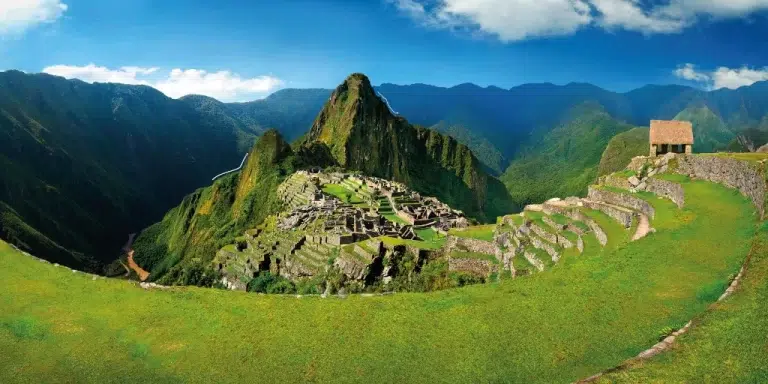
The New Luxury of Feeling Everything: Wellness Options Offered by Peru
Discover Peru’s New Luxury of Wellness—where ancient traditions, sacred landscapes, and immersive experiences help you slow down, reconnect, and truly feel everything. A journey of healing, nature, and authentic transformation awaits.

Ecuador Gears Up for the Humpback Whale-Watching Festival in Manabí
Experience Ecuador’s Humpback Whale-Watching Festival in Manabí—spectacular sightings, conservation efforts, and coastal traditions.